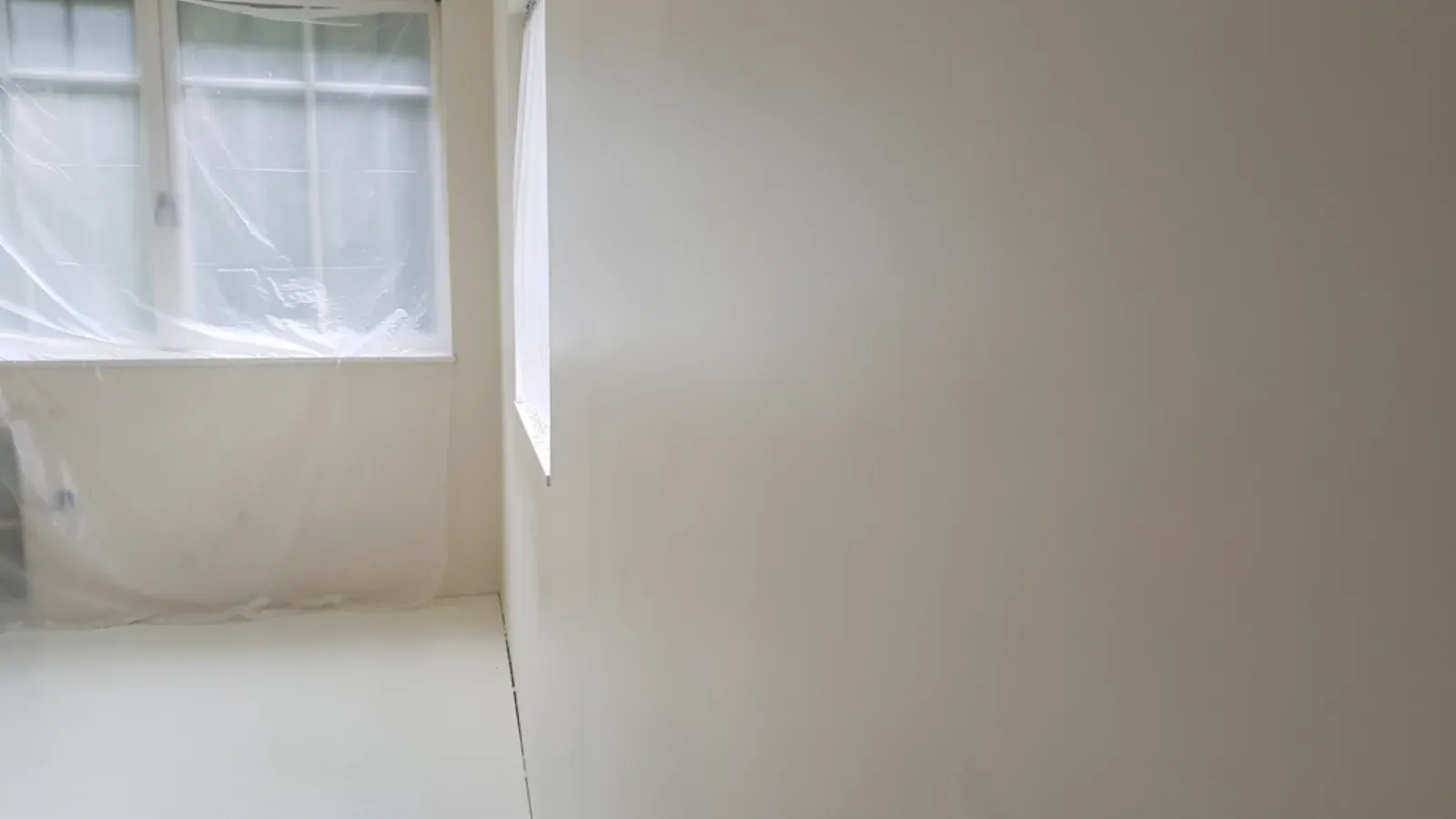
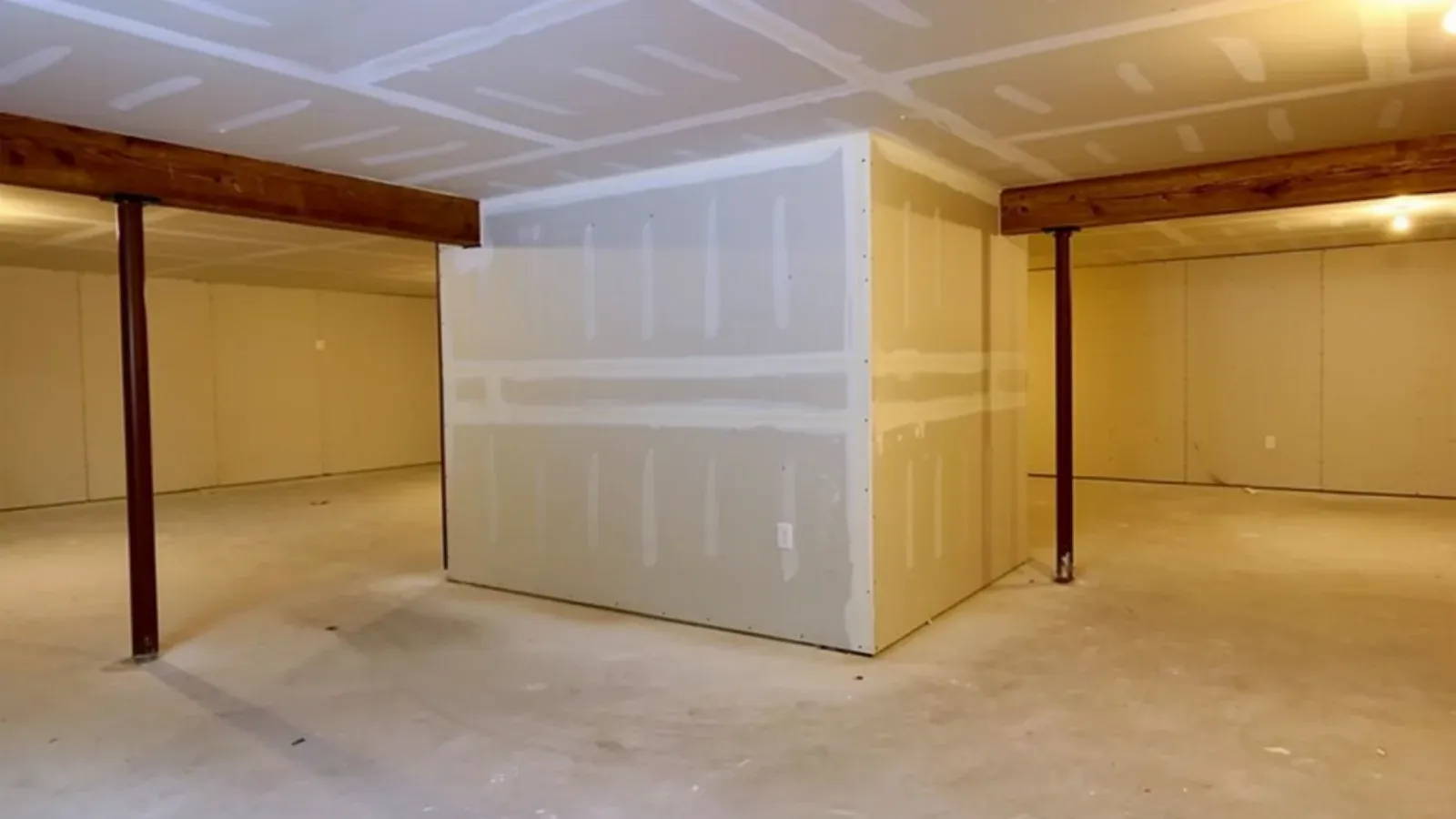
Basement Drywall Finishing
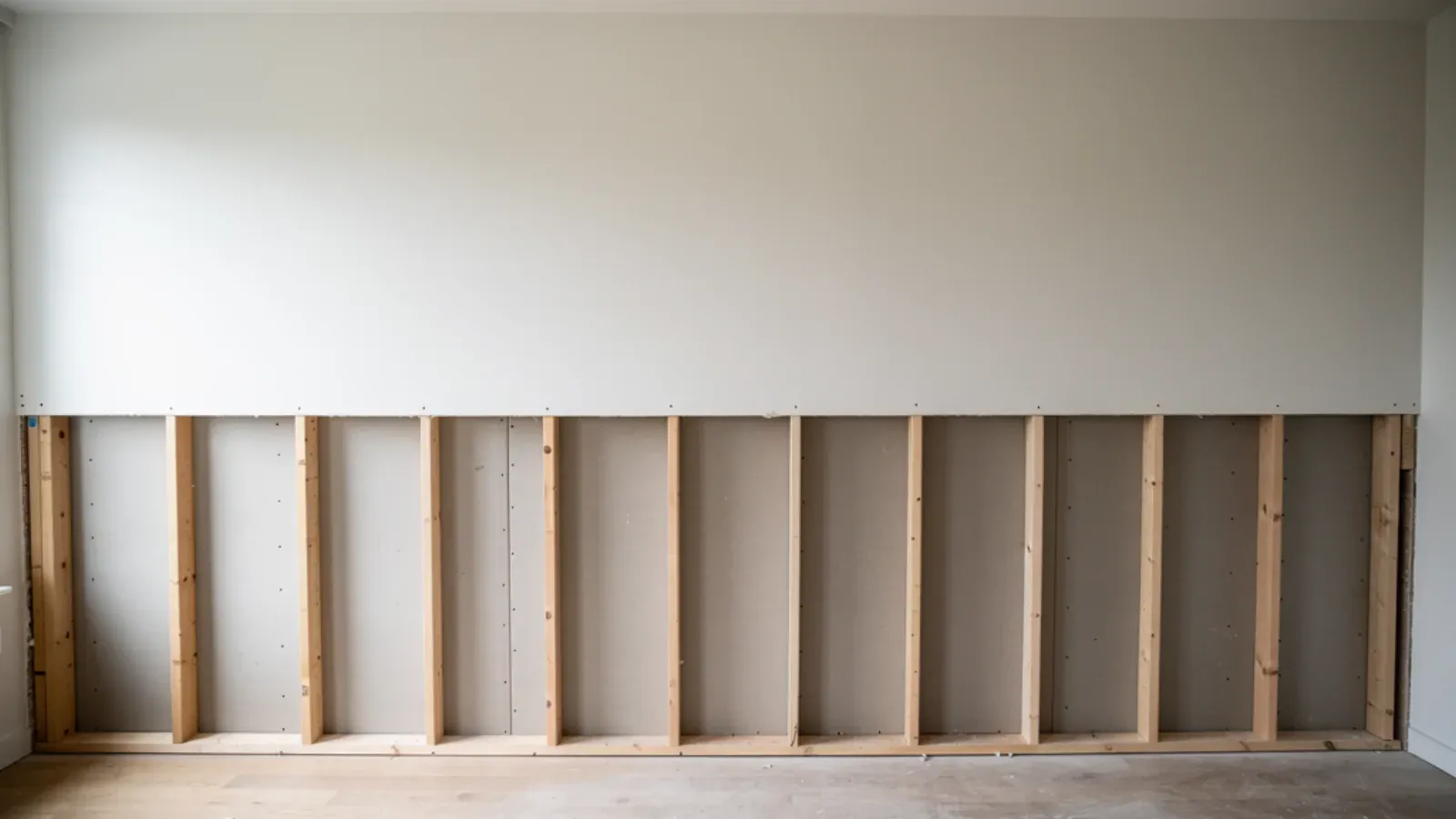
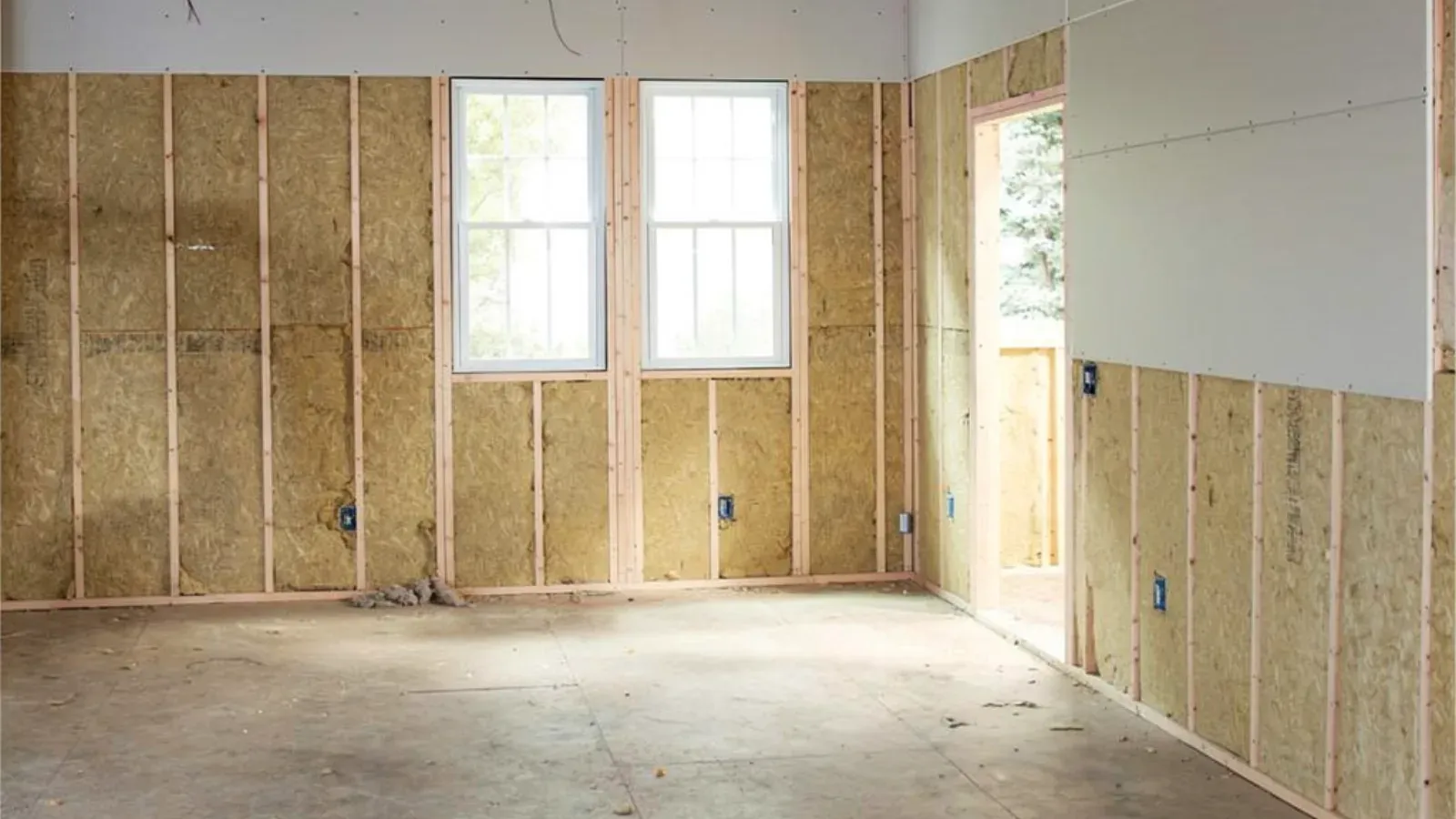
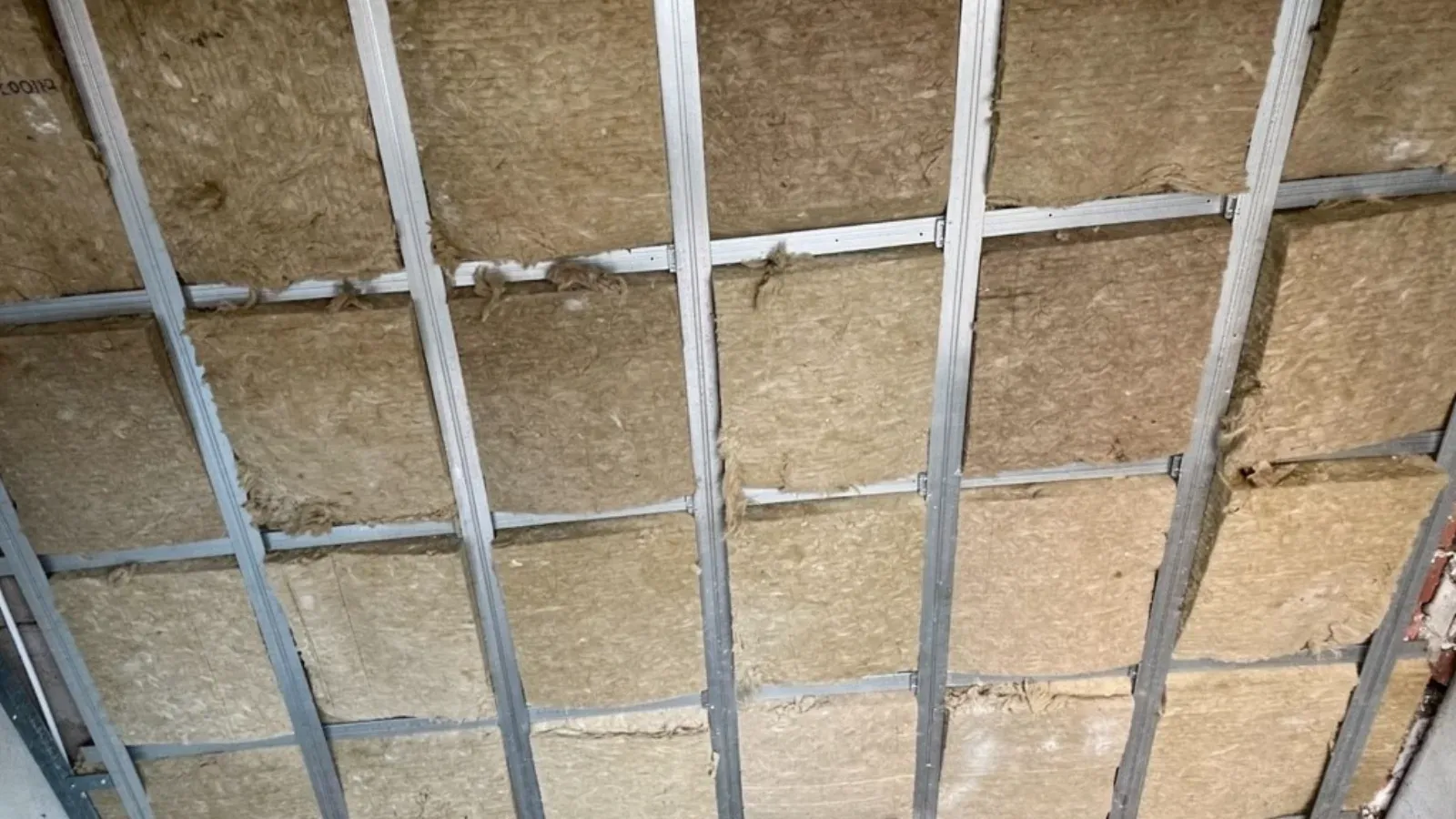
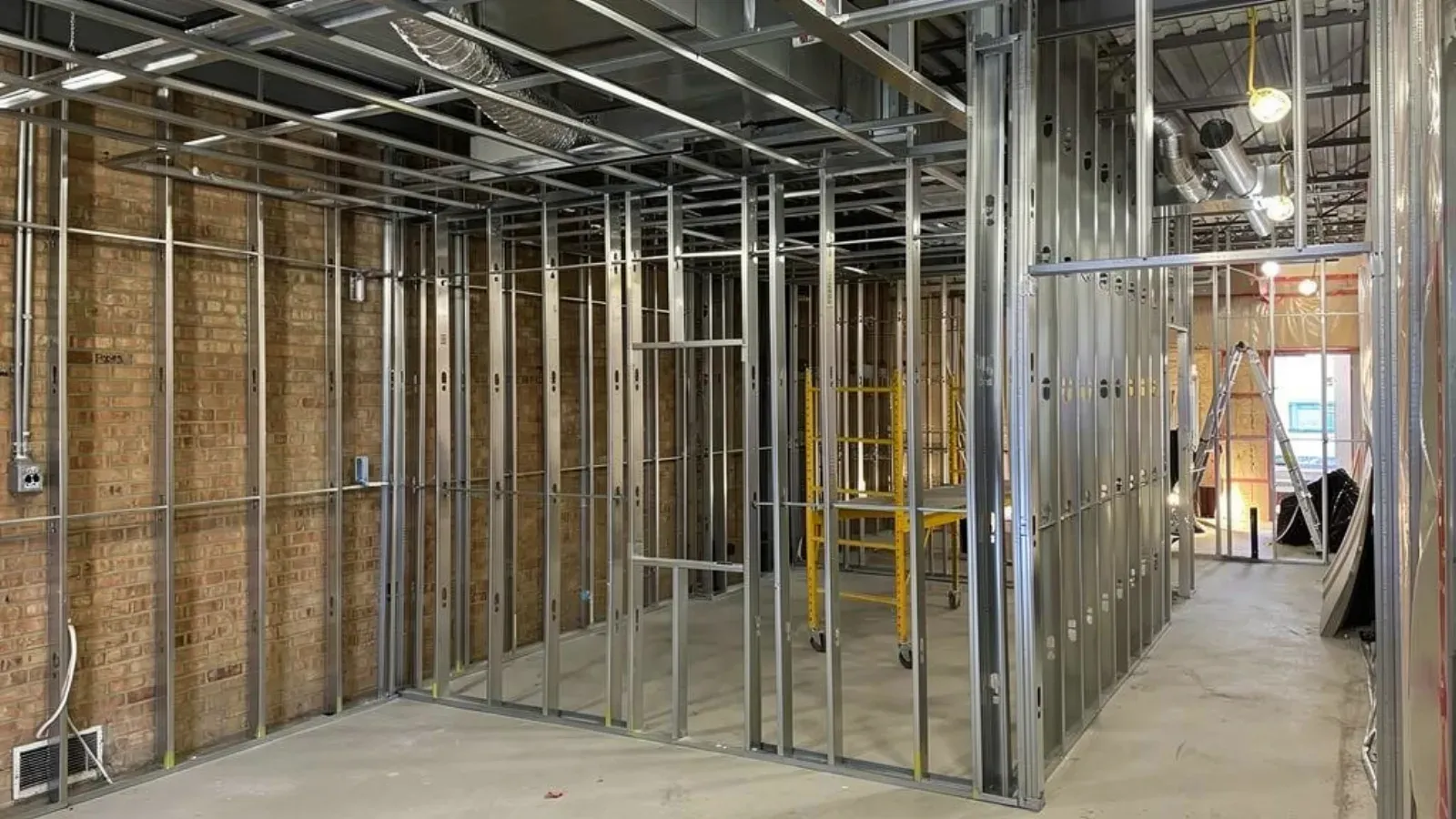
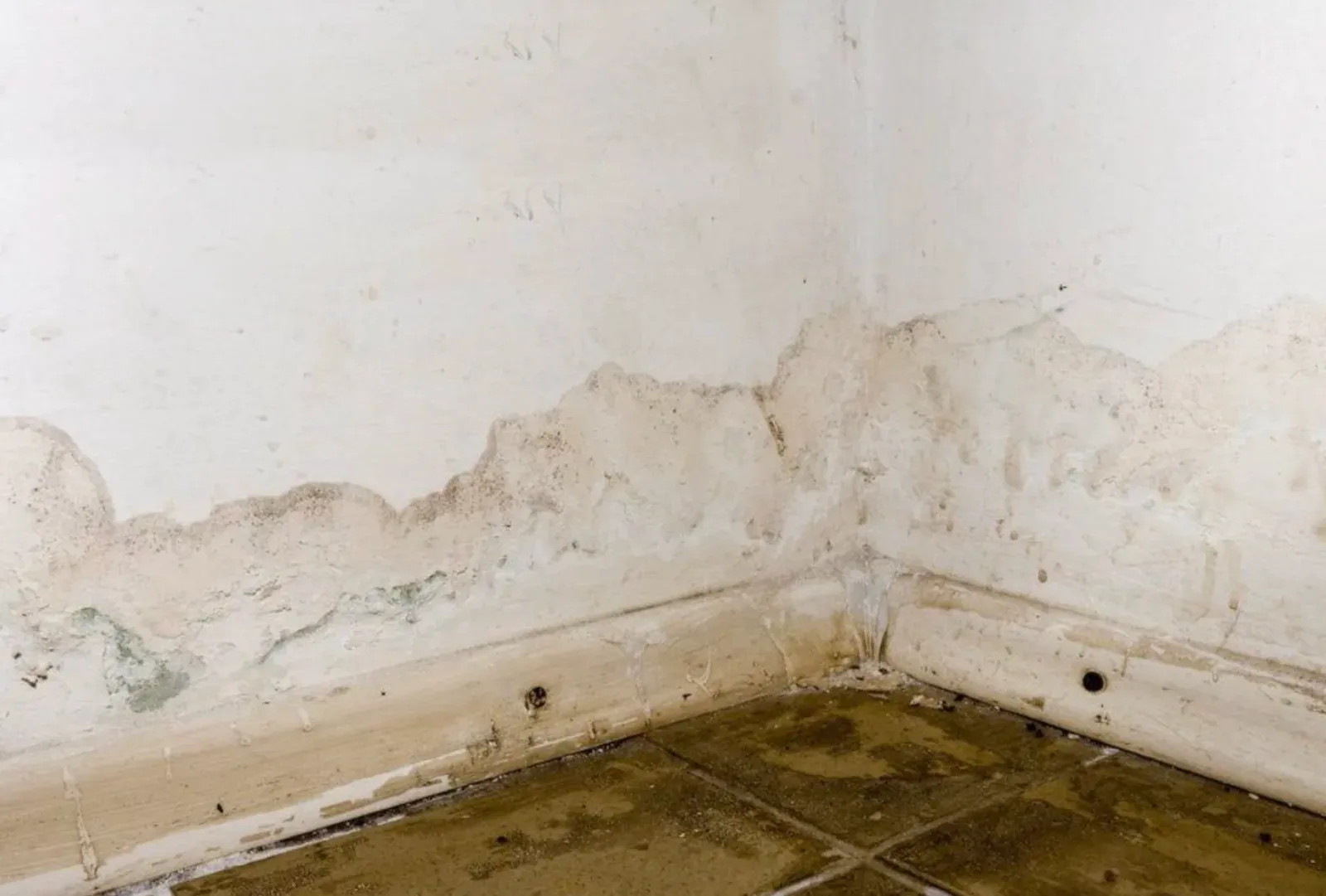
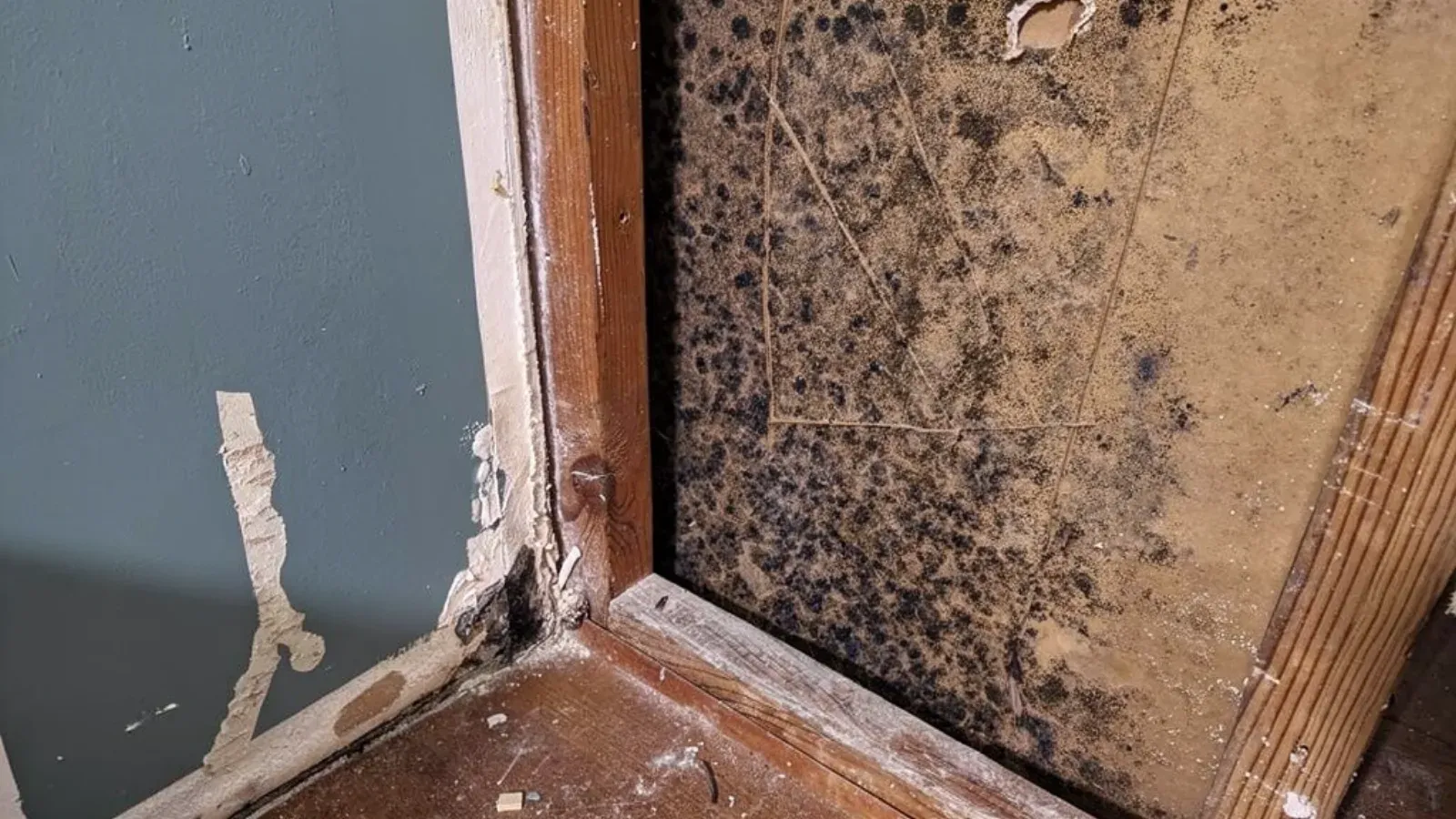
A basement isn't just a room underground. At least one wall is a foundation wall, not a framed exterior wall with siding and a vapor barrier between it and the weather, and Cambridge Elite Drywall & Plaster treats that difference as the starting point for every basement finish rather than an afterthought. The crew frames off the foundation with a gap or moisture break instead of fastening furring strips straight against damp masonry, and specifies moisture-resistant or mold-resistant board wherever a wall sits against or near the foundation.
Housing near the Charles in Cambridgeport and East Cambridge sits on lower, wetter ground than the city's higher elevations, and older Cambridge homes add a second variable: many were built on fieldstone or rubble foundations rather than poured concrete, which hold and release moisture differently and take more work to frame against because the surface isn't flat. Not every wall gets the same board either. Interior partitions that don't touch the foundation can often use standard board, while walls framed against the foundation get moisture-resistant or mold- resistant purple board, spec'd wall by wall based on actual exposure rather than as a blanket upgrade.
A lot of this work is driven by a real need for square footage, a home office, guest suite, or income unit in a city where building up or out is expensive and often constrained by lot size or historic district review. The full basement finishing page covers egress requirements, what moves the cost, and what to expect from the first walkthrough to the final coat.