
Who this is for
- Landlords and small-portfolio owners flipping a unit between tenants in Cambridgeport, The Port, and Inman two- and three-families
- Property managers running multi-building rental portfolios who need the same finish in every unit, on a move-out clock
- Condo associations and their trustees handling common-area and post-leak repairs across a converted building
- Investor-owners and their turnover GCs prepping a recently vacated unit for paint and re-lease
- Realtors and listing agents needing a fast patch-and-prime so a unit shows clean
Turnover drywall is a schedule problem before it is a drywall problem
The wall work in a between-tenant unit is rarely complicated. What makes turnover drywall its own trade is the clock and the repetition. A unit sits empty and unpaid for every day it is open, so the drywall has to be closed out, sanded, and primed in a window measured in days, in the right order ahead of the painter and the floor crew. Cambridge Elite Drywall & Plaster works to a move-out date, not to a convenient one, and coordinates its patching so a landlord’s paint and flooring can follow without a gap.
For a repeat landlord or property manager, the value is not one good patch. It is the same patch, at the same finish, in unit after unit. A portfolio owner should be able to hand over a list of five turnovers and get one consistent Level 4 wall back every time, so the paint reads the same and no single unit stands out as the rough one. That per-unit consistency is what separates a turnover specialist from whoever was cheapest that week.
What actually fails between tenants in Cambridge’s rental stock
Cambridge packs roughly 118,000 residents into 6.4 square miles, most of it renter-occupied, in dense two-family, three-family, and rowhouse buildings that have been turned over for decades. The damage that shows up at move-out is predictable. Anchor holes and shelf pulls, doorknob punch-throughs, corner bead dented at high-traffic hallways, and the fine map-cracking of old plaster that opens a little more with every tenant. Cambridge Elite Drywall & Plaster patches these to a paintable Level 4 across the unit, feathers new compound into the surrounding wall, and matches any texture so a repair does not telegraph under fresh paint.
Two conditions particular to this housing stock drive the harder jobs. First, much of the pre-1940 interior is genuine lath and plaster, not drywall, so a repair is a plaster-to-drywall patch or a historic-sensitive skim over lath, not a simple sheet swap. Second, the old, dense plumbing common to these buildings means water and ceiling damage between tenants is routine. A slow supply line or a tub above will stain and soften a ceiling, and that calls for cutting back to sound substrate, checking for mold, and re-boarding with moisture-resistant board before the skim coat. When a stain keeps bleeding through the painter’s coats, the fix is drywall, not another gallon of primer.
The pre-1978 reality: lead-safe work in occupied buildings
Most of this stock predates 1978, which puts turnover sanding and demolition squarely under EPA RRP lead-safe rules. Cambridge Elite Drywall & Plaster works as a Lead-Safe Certified firm, containing dust and cleaning up to RRP standard, which matters more here than in a vacant new build because the unit next door and the unit below are usually occupied. Turnover work is almost never a shut-down building. It is one empty unit inside a live one, so containment, dust control, and keeping stairwells and shared entries clean are part of the job, not an afterthought. Popcorn ceilings in this vintage also warrant asbestos-age testing before removal rather than a dry scrape.
Where this work happens in Cambridge
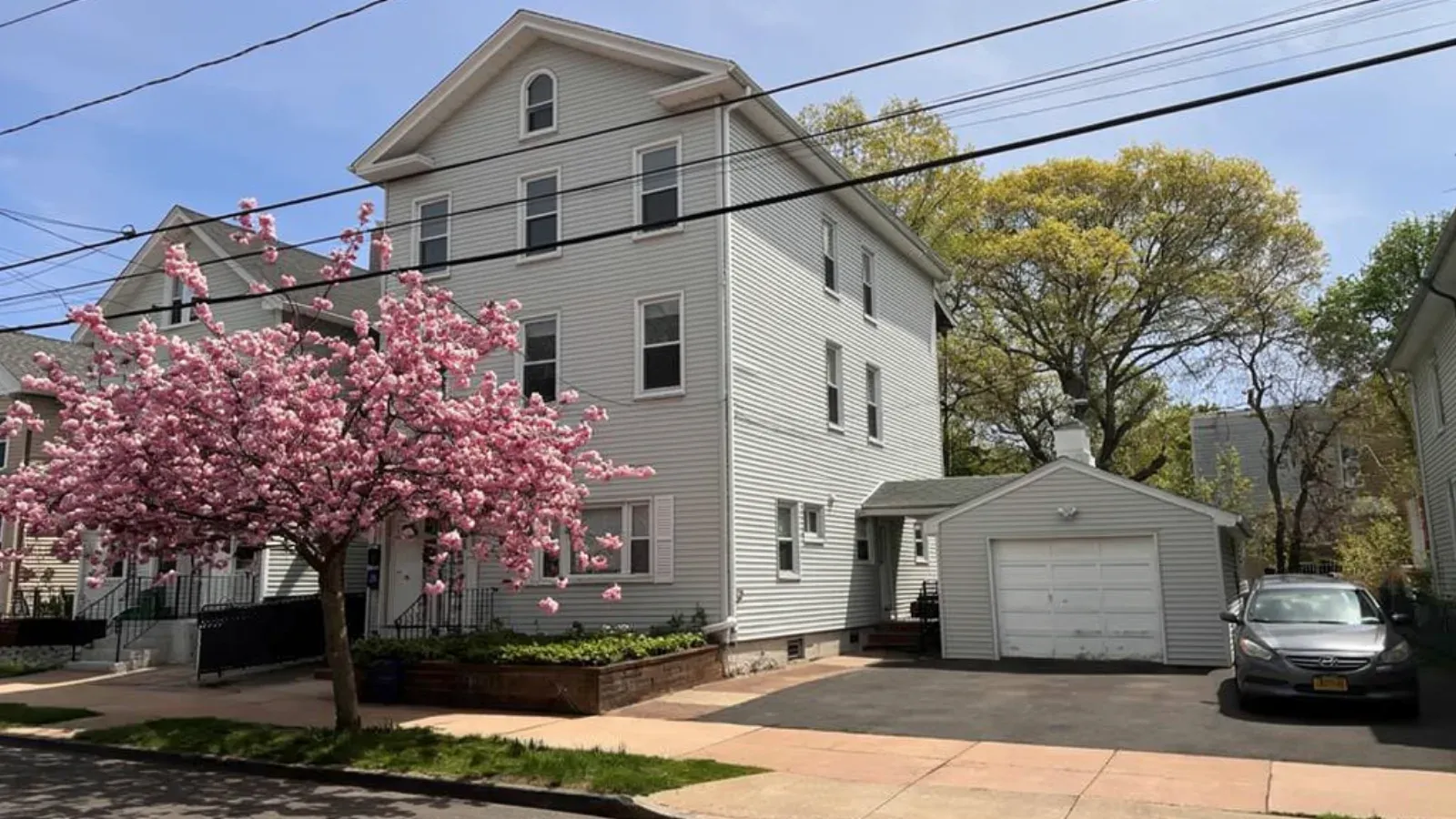
The turnover stream concentrates where the rental density is. Cambridgeport and The Port, which is Area 4, carry heavy two- and three-family wood-frame stock, much of it condo-converted. Inman Square, Central Square, and North Cambridge add rowhouse and small multi-family buildings on the same cycle. The Kendall Square, MIT, and Harvard rental base is transient by design, so those units turn over fast and often, which is exactly the high-frequency, repeat-buyer stream this page is built for. Cambridge Elite Drywall & Plaster works these neighborhoods on the between-tenant clock and permits through the City of Cambridge Inspectional Services Department under MA 780 CMR where a job’s scope requires it, holding MA CSL and HIC registration.
Materials & standards
Products & materials we use
- USG Sheetrock, National Gypsum Gold Bond, CertainTeed standard gypsum board
- Moisture-resistant / mold-resistant board (purple / M2Tech) for post-leak ceilings and bath walls
- Joint compound, FibaTape, corner bead
Standards & codes we work to
- MA 780 CMR (IBC/IRC-based), Residential R-2 multi-family
- EPA RRP (pre-1978 lead-safe) — Lead-Safe Certified Firm
- GA-214 finish levels (Level 4 typical for paint-ready turnover, Level 5 where lighting is critical)
- MA Dept. of Labor Standards (asbestos, for popcorn-ceiling age testing)
What the terms mean
- Unit turnover, between-tenant, patch and prime, whole-unit re-board
- Lath and plaster, plaster-to-drywall conversion, historic-sensitive skim over lath, skim coat
- Texture matching, knockdown texture, popcorn ceiling removal
- Construction supervisor license (MA CSL), HIC registration (OCABR), condo association
The work this involves
The techniques that go into a project like this:
Frequently asked questions
How fast can you turn a Cambridge apartment between tenants? +
We work to your move-out date. For a standard patch-and-prime turnover, drywall is usually closed out, sanded, and primed within a few days, sequenced so your painter and flooring crew can follow without waiting on us. Tell us the re-lease date and we schedule backward from it.
Can you do multiple units across my portfolio to the same finish? +
Yes. That is the point of using one turnover crew. We hold every unit to the same Level 4, paint-ready finish so the walls read consistent building to building, and a property manager is not chasing a different quality of work in each unit.
The building is old and half the walls are plaster, not drywall. Is that a problem? +
No. Much of Cambridge's pre-1940 stock is lath and plaster. We patch plaster to drywall, skim over sound lath when the wall should stay historic, and blend the repair into the surrounding surface so it disappears under paint.
Do you handle the lead-safe rules on a pre-1978 unit? +
Yes. Cambridge Elite Drywall & Plaster is an EPA Lead-Safe Certified firm. On pre-1978 buildings we contain dust and clean to RRP standard, which matters because the neighboring units are usually still occupied.
A tenant left a water-stained ceiling. Will primer cover it? +
Usually not for long. A stain that keeps bleeding through means the substrate is damaged. We cut back to sound material, check for mold, re-board with moisture-resistant board where needed, then skim and prime so it stays clean.
Can you work in one unit while the rest of the building is occupied? +
Yes, that is most turnover work. We contain the unit, control dust, and keep shared stairwells and entries clean so the tenants above and below are not disrupted.